FIA president says F1 returns to V8 engines in 2030, 80kg lighter
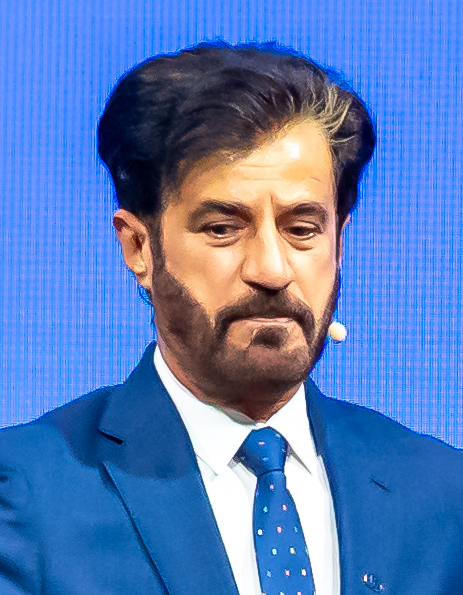
FIA president Mohammed Ben Sulayem said on Tuesday 13 October, at the event announcing the African Grand Prix in Rwanda, that F1 will return to V8 engines in 2030. He said the cars will be about 80kg lighter and engine-related R&D spending at least 50% lower, but no detailed regulations have been published and the reports carry no reaction from teams or manufacturers. It moves the V8 idea reported in late September a step forward as a public statement by the FIA president.

What he said
According to GPFans, Ben Sulayem said: "So Rwanda is going to have that engine in its first ever race." The target year is 2030, and News.GP said 2031 had previously been discussed, with the president believing 2030 is achievable with the support of F1 and the manufacturers. The figures reported by the two outlets are:
| Item | President's remarks |
|---|---|
| Introduction | 2030 |
| Car weight | About 80kg lighter |
| Engine cost | At least 50% less R&D and engine spending |
| Direction | "It's about the sound, not the noise" |
GPFans noted the weight figure is approximate and that Ben Sulayem suggested he perhaps should not have mentioned it to the press yet. The savings were also given only as percentages, not sums of money.
What is still missing
The electrical share is the biggest open question, and the two outlets differ. GPFans said there are no details on the V8's electrical or hybrid elements, while News.GP wrote that the new V8s would split power almost equally between combustion and electric. It is not clear which accurately reflects his remarks, so the level of electrification should be treated as undecided. Displacement, power output and fuel have not been given either, and News.GP described the move as a plan rather than settled regulations.
The backdrop is criticism of the 2026 power unit rules. GPFans said Max Verstappen was the most outspoken critic of the current split of roughly 50-50 between combustion and battery power, and News.GP said Fernando Alonso and Lando Norris also pointed to battery management and energy deployment. GPFans added that F1 had already agreed to shift power back toward combustion over the next two years.
What to watch
- Until 2030 the cars run the current rules plus the 2027 changes, so this statement has no immediate effect on the 2027 car.
- Whether the manufacturers actually agree is the key point. Ben Sulayem himself said he needs the support of F1 and the engine makers, so it should only be treated as settled once FIA documents and manufacturer positions appear.
- His remark that the Rwanda race will be the first with the new engine is notable given the "early 2030s" start announced for that event, but how the two timelines fit together has not been explained.
The next race is the United States GP on 23–25 October. It is worth watching whether any official FIA document or manufacturer statement appears before then.